Buying
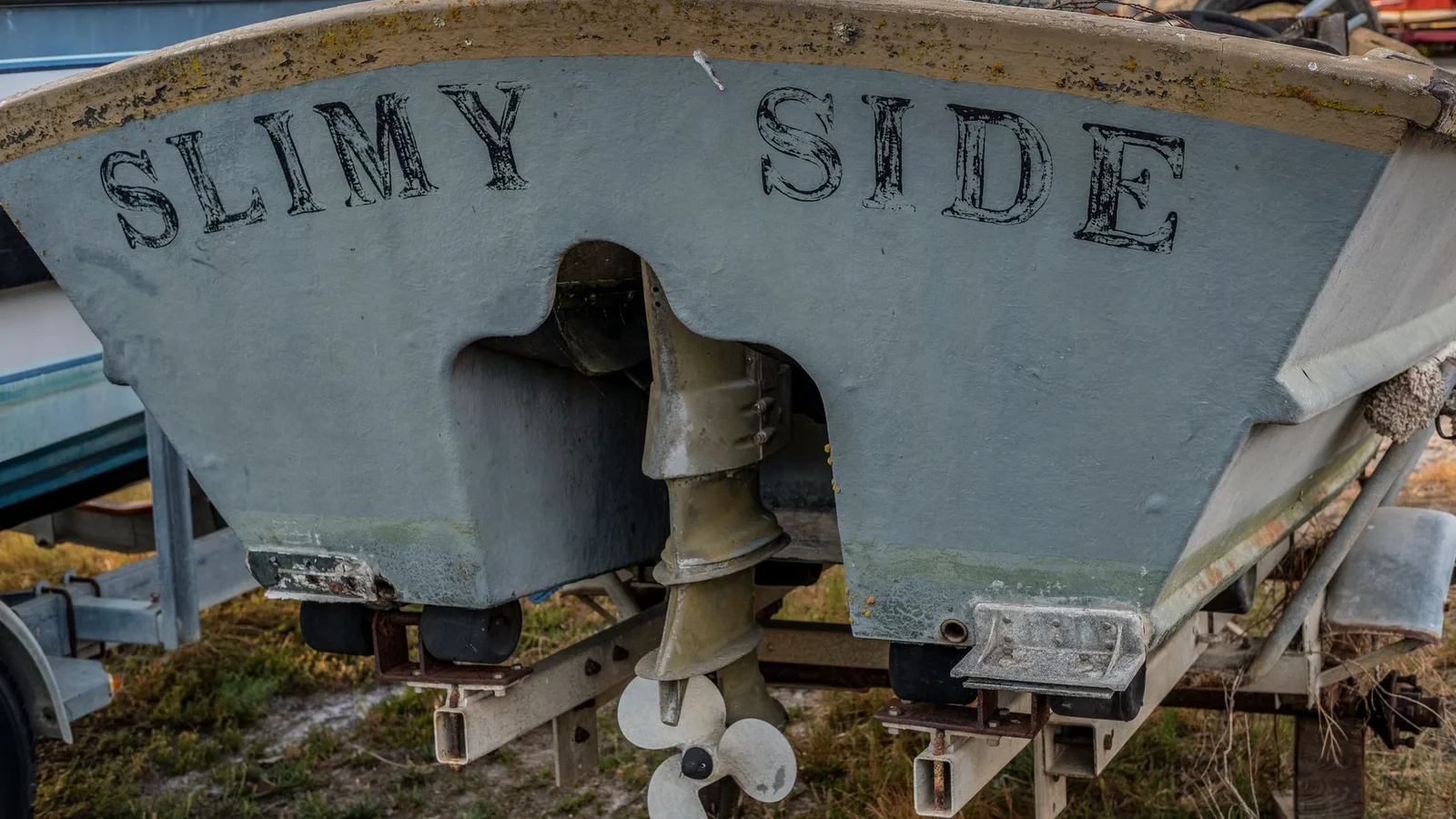
How to check if a used boat is stolen before you buy
How to check a used boat for theft before you pay: match the HIN on the transom to the title, decode it, spot a tampered plate, and check the trailer on its own.
Guides / Buying
What to check, in what order, and when to walk away. Guides for the drive out and the conversation at the boat.
These guides cover the part of the process where money changes hands: what to look at, in what order, and which findings are worth a discount rather than a walk-away.
The order matters as much as the checklist. Paperwork first, because a boat with a title problem is not really for sale however good the engine sounds. Then the transom and the stringers, because those are the repairs that cost more than the boat is worth. The engine last, since a tired powerhead is the cheapest of the three to put right and the easiest to negotiate against.
How to check a used boat for theft before you pay: match the HIN on the transom to the title, decode it, spot a tampered plate, and check the trailer on its own.
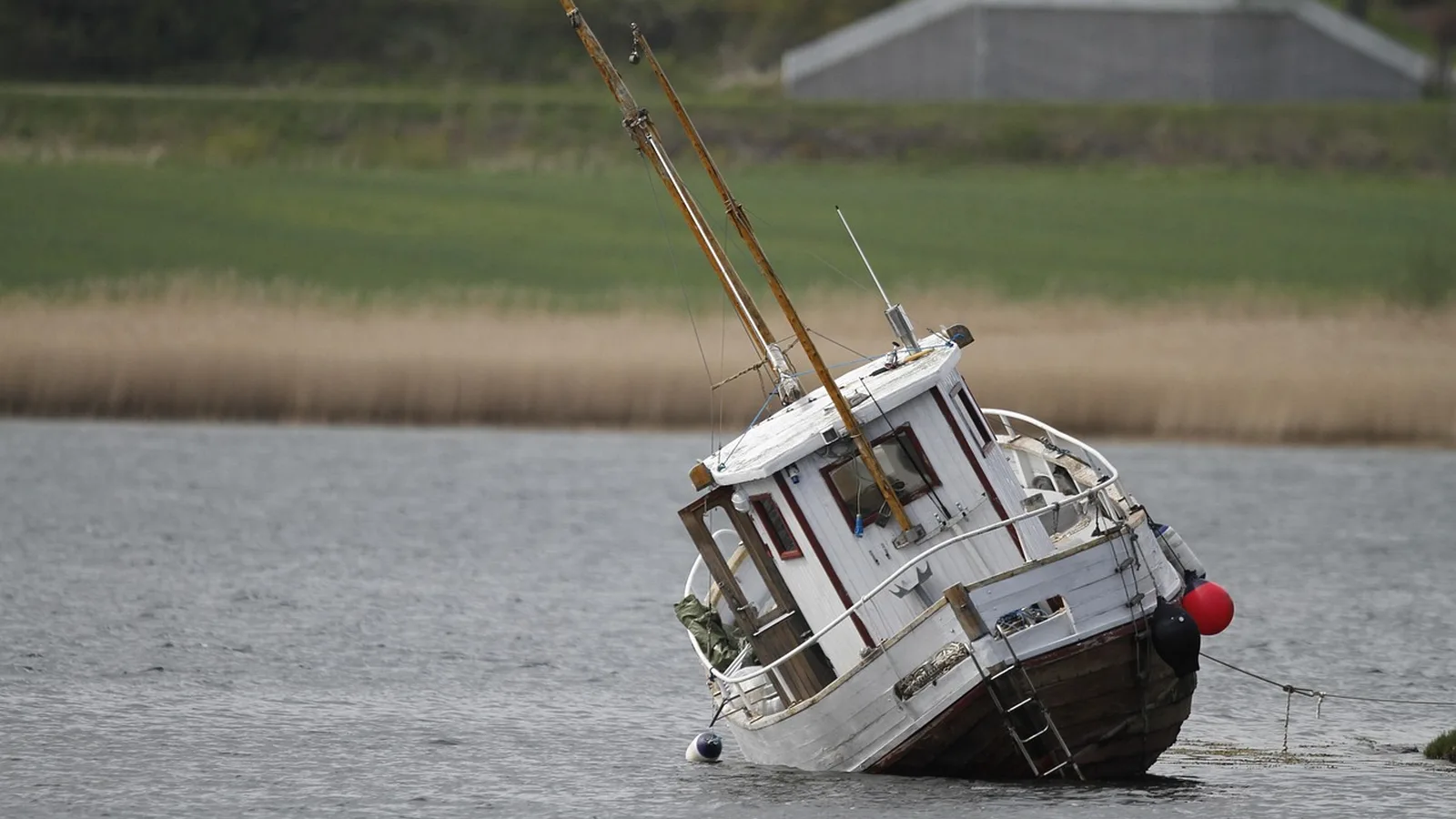
A listing boat leans to one side at rest. What causes it, how to tell water in the hull from gear stacked on one side, what the waterline gives away in a photo, and when a list is a discount rather than a walk-away.
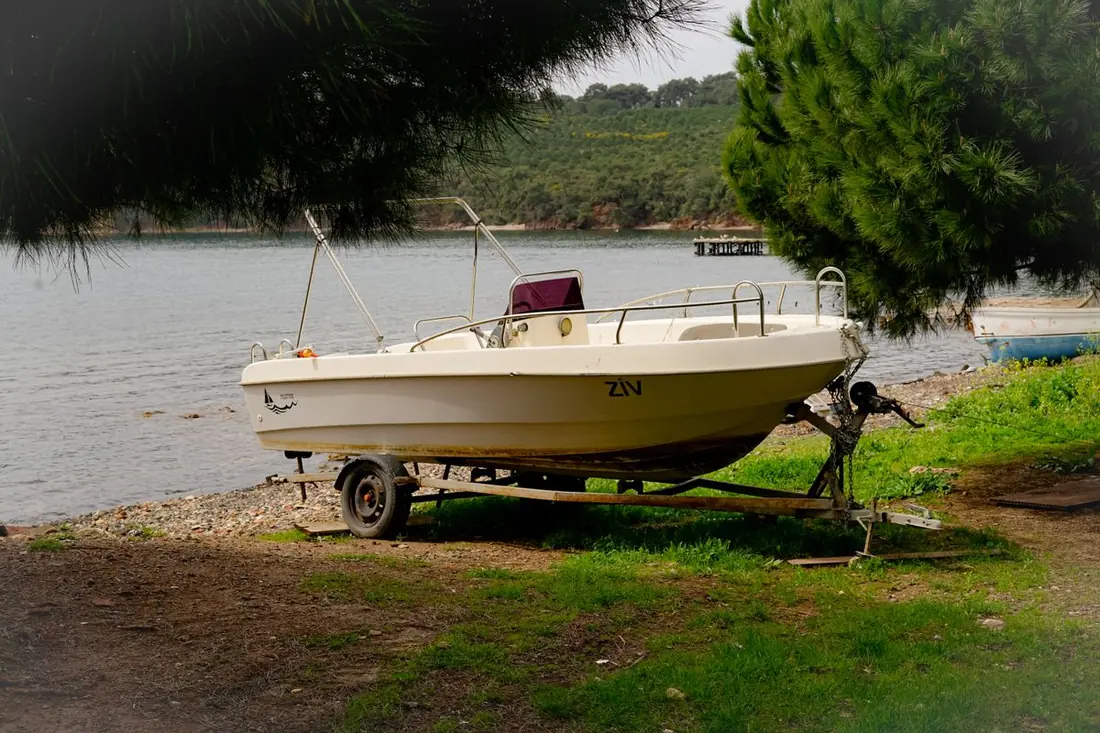
Does your state title boats at all, which boats need one, and what a bill of sale alone can do. All fifty states and DC, each row read off that state's own agency and linked so you can check it.
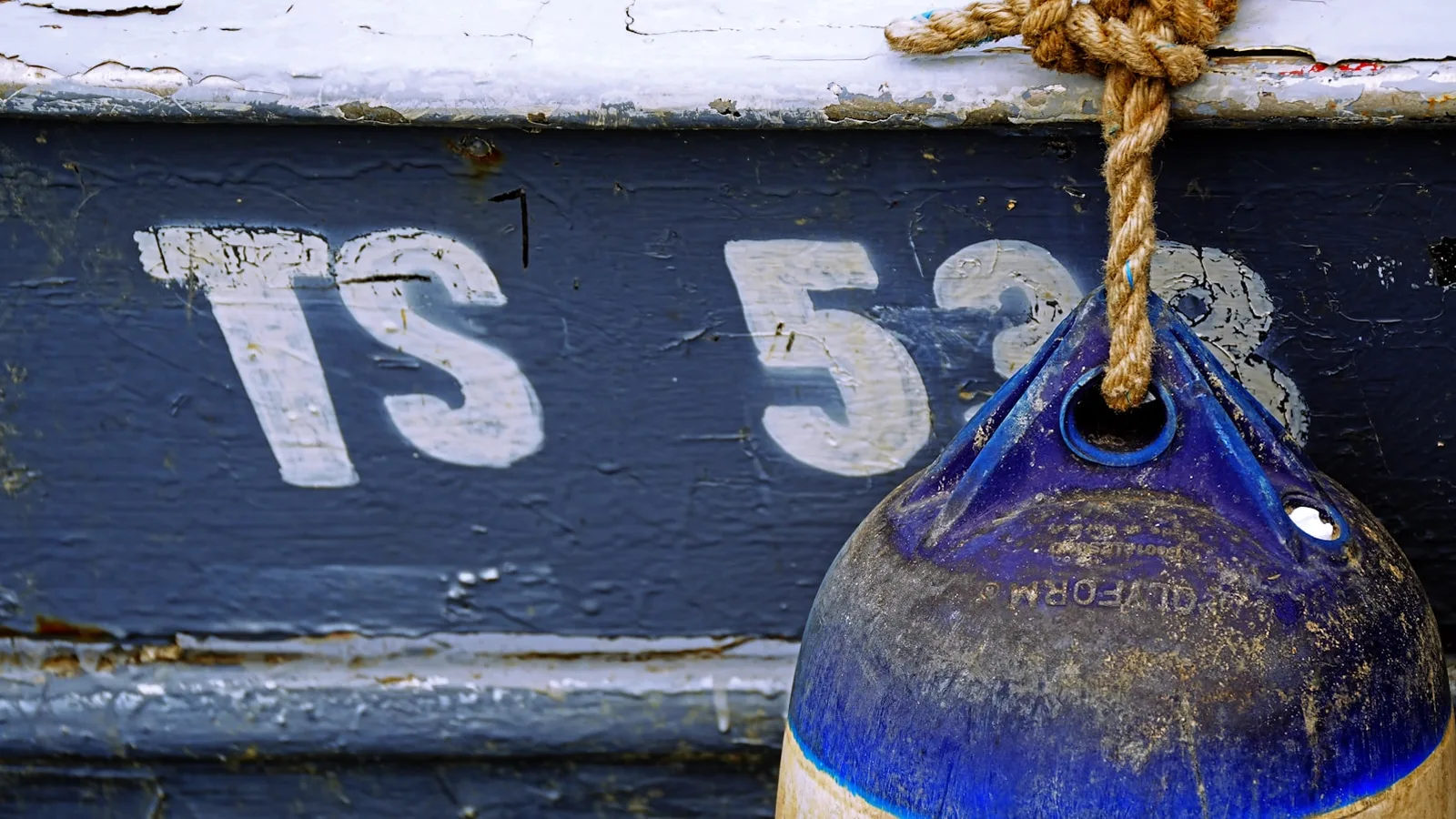
What "no title" means on a used boat: separate boat, trailer and motor titles, bill of sale vs title, bonded titles, and whether you can sell without one.
The order to check things in, what a compression test actually tells you, and the three findings that should end a viewing early.